
For businesses, facilities, and property managers, air filters are not something you can afford to overlook. Commercial HVAC systems depend on properly sized, high-quality filters to help maintain indoor air quality, protect equipment, and keep heating and cooling systems operating efficiently.
But finding the right commercial air filter supplier can be more complicated than simply finding the lowest price.
The right supplier should provide the products you need, when you need them, at a price that makes sense for your operation. They should also understand the demands of commercial facilities and make it easy to manage recurring filter replacements.
Whether you manage a single commercial building or oversee HVAC maintenance across multiple locations, here are the key factors to consider when choosing an air filter supplier.
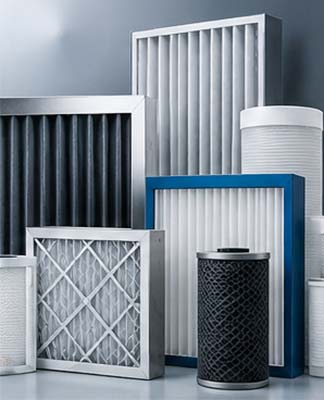
Look for a Supplier With a Wide Selection of Filters
Commercial HVAC systems don’t all use the same filters. Different equipment, applications, and indoor environments may require different filter sizes, configurations, and efficiency ratings.
A good commercial air filter supplier should offer a broad selection, including common options such as:
- Pleated air filters
- Panel filters
- Bag filters
- HEPA filters
- High-efficiency filters
- Carbon filters
- Metal filters
- Custom-size filters
Having access to multiple filter types from one supplier can simplify purchasing and help you avoid having to source different products from multiple vendors.
It is also important to find a supplier that can help when you need a less common size or specification. Hard-to-find filters shouldn’t bring your maintenance program to a standstill.
Make Sure They Carry the Sizes You Actually Need
Filter size is one of the most important considerations when ordering replacement filters.
Ordering the wrong size can result in poor fit, air bypass, reduced filtration performance, or installation delays. A reliable supplier should make it easy to identify and order the correct filter for your HVAC equipment.
Before choosing a supplier, consider the range of sizes your business uses. If you manage multiple buildings or HVAC systems, having one supplier capable of supplying your entire filter inventory can save considerable time.
A good supplier should also be able to help you identify alternatives when a particular filter specification is unavailable or discontinued.
Understand MERV Ratings and Filter Efficiency
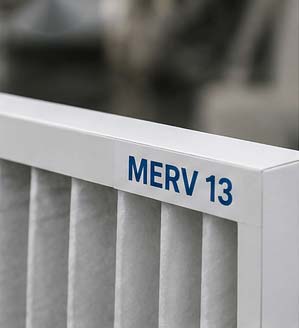
MERV, or Minimum Efficiency Reporting Value, is a standard used to rate the effectiveness of air filters at capturing airborne particles.
Commercial facilities commonly use filters across a range of MERV ratings depending on their HVAC equipment and filtration requirements.
Higher MERV ratings generally provide greater filtration, but that doesn’t necessarily mean a higher-rated filter is always the best choice. A filter that is too restrictive for a particular HVAC system can increase resistance to airflow and potentially affect system performance.
The right commercial air filter supplier should be able to help you select a filter that balances filtration performance, airflow requirements, equipment specifications, and operating costs.
When evaluating suppliers, look for one that understands filtration—not simply one that sells filters.
Compare More Than the Price Per Filter
Price is important, especially for businesses purchasing hundreds or thousands of filters each year. However, the lowest price per filter doesn’t always translate into the lowest overall cost.
Consider the total cost of your filtration program, including:
- Filter purchase price
- Shipping and delivery costs
- Replacement frequency
- Filter efficiency
- HVAC operating requirements
- Labor associated with replacement
- Emergency or rush orders
- Inventory storage
- Product availability
A slightly more expensive filter may provide better value if it lasts longer, performs better, or helps simplify your maintenance program.
Likewise, buying in bulk may provide opportunities to reduce your overall cost per filter.
Ask About Bulk and Recurring Orders
If your business replaces filters on a regular schedule, you shouldn’t have to place a new order every time filters need to be changed.
Ask potential suppliers whether they can support bulk purchases and recurring filter orders.
A recurring purchasing program can help businesses:
- Maintain an adequate filter inventory
- Reduce last-minute orders
- Simplify purchasing
- Establish predictable replacement schedules
- Reduce administrative work
- Potentially lower overall purchasing costs
This can be particularly valuable for property management companies, commercial maintenance departments, HVAC contractors, schools, healthcare facilities, hotels, warehouses, and businesses with multiple locations.
Consider Product Availability and Lead Times
A filter supplier is only valuable if they can provide the products you need when you need them.
Before establishing a relationship with a supplier, ask about product availability and typical lead times. This becomes particularly important if your facility uses specialty filters or non-standard sizes.
Unexpected HVAC maintenance issues can create situations where filters are needed quickly. Working with a supplier that understands commercial requirements can help reduce the risk of extended delays.
Every 30 Days Recommended if:
- You have multiple pets
- Someone in your home has allergies or asthma
- You live in a dusty environment
- You run your HVAC system constantly
Every 60 Days Recommended if:
- Average households
- Homes with one pet
- Moderate HVAC usage
Every 90 Days Recommended if:
- You live alone or spend little time at home
- You don’t have pets
- Your home stays relatively dust-free
Northern Nevada Homes May Need More Frequent Changes
In areas like Reno and Northern Nevada, homeowners often deal with additional dust, dry air, and seasonal wildfire smoke. These environmental factors can clog filters faster than expected.
During wildfire season or windy months, checking your filter monthly is a smart idea, especially if you notice:
- Increased dust in your home
- Reduced airflow
- Allergy symptoms worsening
- Longer HVAC run times
A higher-quality filter, such as a MERV 11 or MERV 13 filter, can also help improve indoor air quality during smoke season.
Signs It’s Time to Replace Your Air Filter
Not sure if your filter needs changing? Here are a few common warning signs:
- The filter looks gray or dirty
- Dust builds up quickly around vents and furniture
- Your HVAC system runs longer than normal
- Airflow feels weak
- Your energy bill suddenly increases
- Allergy symptoms become more noticeable
If you can’t remember the last time you changed your filter, it’s probably time.
Choosing the Right Air Filte
Not all filters are the same. The best filter for your home depends on your HVAC system and your indoor air quality needs.
Some common options include:
- MERV 8 Filters – Great for basic residential use
- MERV 11 Filters – Better for pet owners and allergy control
- MERV 13 Filters – Excellent for smoke, fine particles, and air quality
If you’re unsure which filter is right for your system, our team at Filter Connection can help you choose the right size and MERV rating for your home or business.
Changing your air filter regularly is one of the easiest and most affordable ways to protect your HVAC system and improve your home’s air quality. While most homeowners should replace filters every 30–90 days, homes in dusty climates like Reno may benefit from more frequent changes.
Need help finding the right replacement air filter? Filter Connection offers quality residential and commercial air filters to help keep your air clean and your HVAC system running at its best.