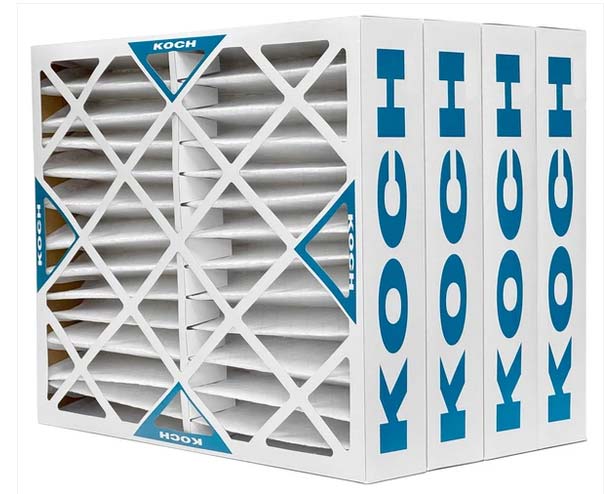
If you’ve ever stood in front of a selection of HVAC filters wondering what MERV 8, MERV 11 or MERV 13 actually means, you’re not alone.
MERV stands for Minimum Efficiency Reporting Value and measures how effectively an air filter captures airborne particles. Generally, the higher the MERV rating, the more efficiently the filter captures smaller particles.
But does that mean MERV 13 is always the best choice?
Not necessarily.
The right filter depends on your HVAC system, indoor air-quality needs and the type of particles you want to filter.
MERV 8 vs. MERV 11 vs. MERV 13
MERV 8
Best For
MERV 11
Best For
MERV 13
Best For
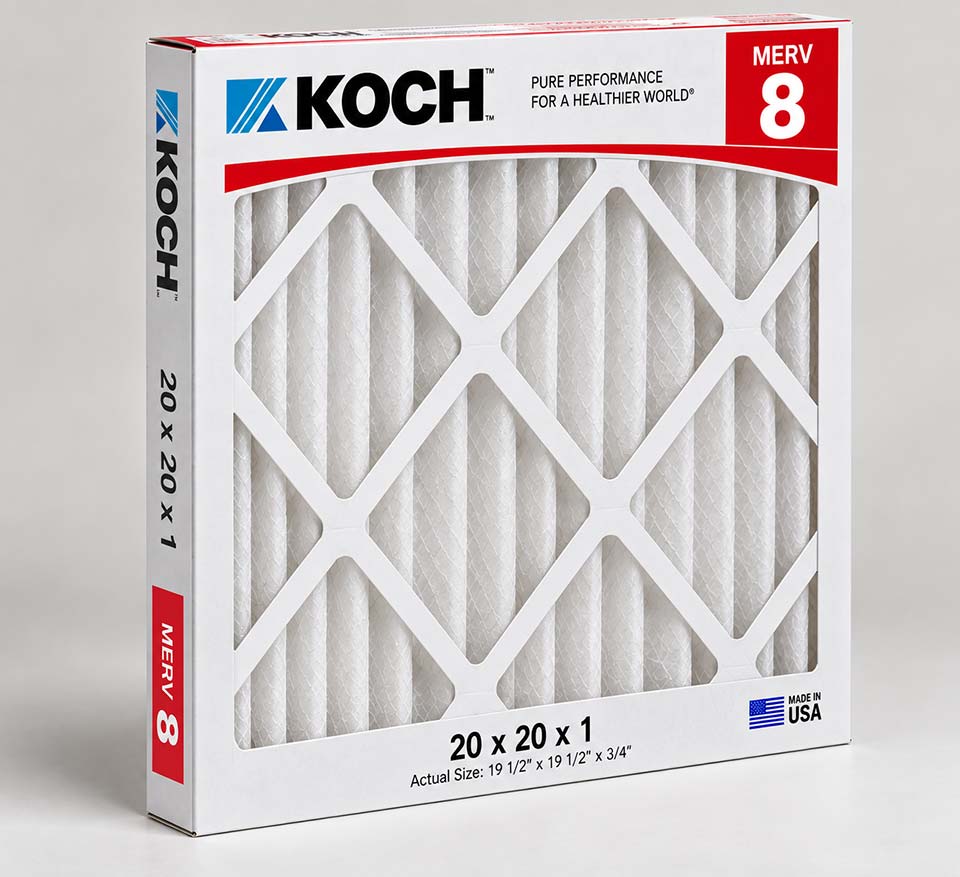
MERV 8
MERV 8 is a common choice for standard residential and commercial HVAC systems. It provides basic filtration for particles such as dust, pollen and lint while helping protect HVAC equipment.
For systems designed specifically around MERV 8 filtration, it can be an effective and practical option.
MERV 11
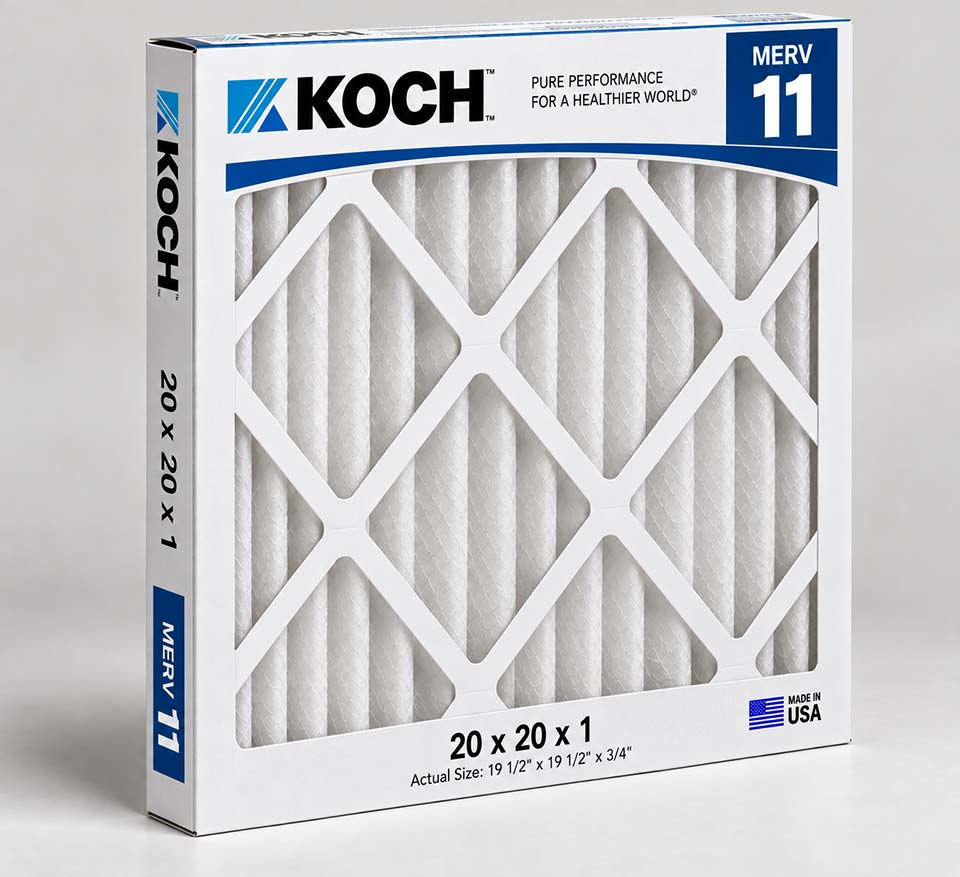
MERV 11 provides greater filtration efficiency than MERV 8, particularly for smaller particles.
It can be a good option for homes with pets, increased dust or people who want more filtration than a standard MERV 8 filter provides.
MERV 13
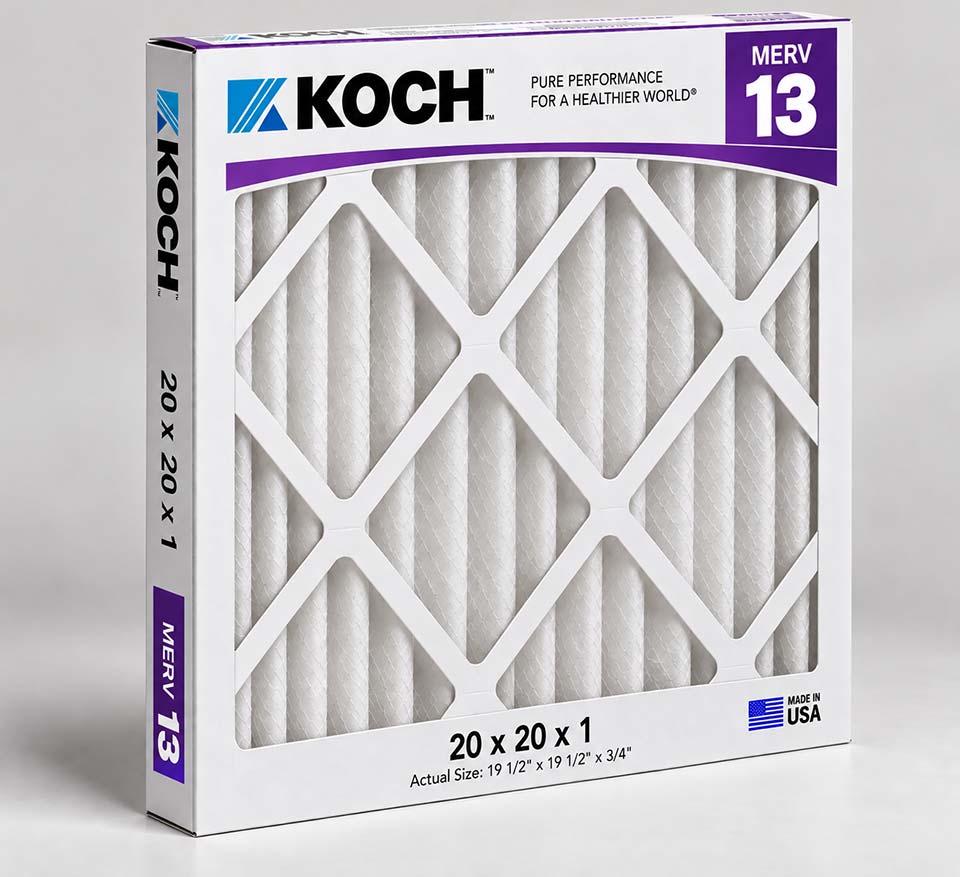
MERV 13 provides even higher-efficiency filtration and is capable of capturing a greater percentage of smaller airborne particles.
The EPA recommends using MERV 13 or the highest-rated filter your HVAC system can accommodate when seeking improved filtration.
MERV 13 can be particularly useful when indoor air quality is a priority, including during periods of wildfire smoke or elevated outdoor pollution.
Is a Higher MERV Rating Always Better?
No.
A higher MERV rating generally means better particle filtration, but it can also create greater resistance to airflow. Your HVAC system needs to be designed to handle the filter you’re using.
Before upgrading from MERV 8 to MERV 11 or MERV 13, check your HVAC manufacturer’s recommendations or consult an HVAC professional.
The goal isn’t simply to buy the highest MERV filter available. It’s to choose the highest-efficiency filter that’s appropriate for your system.
Price is important, especially for businesses purchasing hundreds or thousands of filters each year. However, the lowest price per filter doesn’t always translate into the lowest overall cost.
Consider the total cost of your filtration program, including:
- Filter purchase price
- Shipping and delivery costs
- Replacement frequency
- Filter efficiency
- HVAC operating requirements
- Labor associated with replacement
- Emergency or rush orders
- Inventory storage
- Product availability
A slightly more expensive filter may provide better value if it lasts longer, performs better, or helps simplify your maintenance program.
Likewise, buying in bulk may provide opportunities to reduce your overall cost per filter.
What MERV Rating Is Best for Your Home?
The answer depends on your needs:
MERV 8: A good choice for basic filtration and systems designed for standard filters.
MERV 11: Worth considering if you want increased filtration for dust, pets and smaller airborne particles.
MERV 13: A strong option for higher-efficiency filtration when your HVAC system can accommodate it.
If allergies, pets, dust or wildfire smoke are concerns, a higher-efficiency filter may be worth considering—but always verify that your HVAC system can handle it.
Don't Forget About Filter Size
MERV rating isn’t the only thing that matters.
Your filter also needs to be the correct size for your HVAC system. A filter that’s too small can allow air to bypass the filter, while an improperly fitting filter may not perform as intended.
Check the dimensions printed on your existing filter before ordering a replacement.
How Often Should You Change Your HVAC Filter?
Even the best HVAC filter needs to be replaced regularly.
How often depends on factors such as the filter type, HVAC usage, pets, dust levels and indoor air conditions. Homes with pets or heavy HVAC use may require more frequent replacement.
A dirty filter can restrict airflow regardless of its MERV rating.
Find the Right HVAC Filter
So, what’s the best MERV rating?
The best MERV rating is the highest-efficiency filter your HVAC system can properly accommodate.
Whether you need MERV 8, MERV 11 or MERV 13, choosing the correct MERV rating, filter size and depth is essential.
Filter Connection offers residential, commercial and industrial HVAC filters to help you find the right filtration solution for your application.
Need help finding the right filter? Contact Filter Connection and let us help you find the right fit.